Welcome To The Olivegreen Dental
- For Appointment Call On :+91-8112276936
- Timing : 09:30 To 21:00
Welcome To The Olivegreen Dental
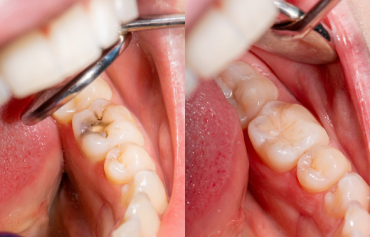
It seems like you might be referring to “dental fillings” rather than “teeth filings.” Dental fillings are materials used by dentists to fill cavities or repair damaged teeth. They can be made from various materials such as amalgam (a mixture of metals), composite resin, porcelain, or gold. The filling material is placed into the prepared cavity in the tooth and shaped to restore its function and appearance. Fillings help to prevent further decay and strengthen the tooth.
Dental fillings are needed when a tooth has decay or damage that needs to be repaired. Decay can occur due to bacteria in the mouth producing acids that eat away at the enamel, causing a cavity. Damage to a tooth can happen from injury or wear over time. When the decay or damage is not too extensive, a filling can be used to restore the tooth’s structure and function.
If you’re experiencing any of these symptoms, it’s important to see a dentist for an evaluation. They can determine if a filling is needed to repair the tooth and prevent further damage. Regular dental check-ups can also help catch cavities early before they require more extensive treatment.
The procedure for getting a dental filling typically involves several steps:
Examination: The dentist will first examine your teeth, usually with the help of X-rays, to identify any cavities or areas of damage that need to be filled.
Anesthesia: If the tooth being filled is sensitive or if the procedure might cause discomfort, the dentist will numb the area with local anesthesia to ensure you’re comfortable during the procedure.
Preparation: The dentist will use a drill, laser, or air abrasion instrument to remove the decayed or damaged part of the tooth, leaving behind a clean space for the filling. The area will be cleaned thoroughly to remove any debris and bacteria.
Filling Placement: Once the preparation is complete, the dentist will fill the cleaned-out cavity with the chosen filling material. The material is placed in layers and shaped to fit the tooth’s contours properly.
Shaping and Polishing: After the filling material is placed, the dentist will shape it to match the natural contours of the tooth and ensure a proper bite. Excess material is trimmed, and the filling is smoothed and polished to prevent rough edges and make it blend seamlessly with the surrounding tooth structure.
Final Inspection: The dentist will check your bite to ensure that the filling doesn’t interfere with your natural chewing motion. They’ll also make sure the filling looks and feels right before finishing the procedure.
The entire process usually takes one appointment, although it can vary depending on the complexity of the filling and the number of teeth being treated. After the procedure, you may experience some sensitivity or discomfort, but this typically subsides within a few days. It’s essential to follow any post-procedure instructions provided by your dentist to ensure proper healing and care for your new filling.
